Mark Revin Fragata

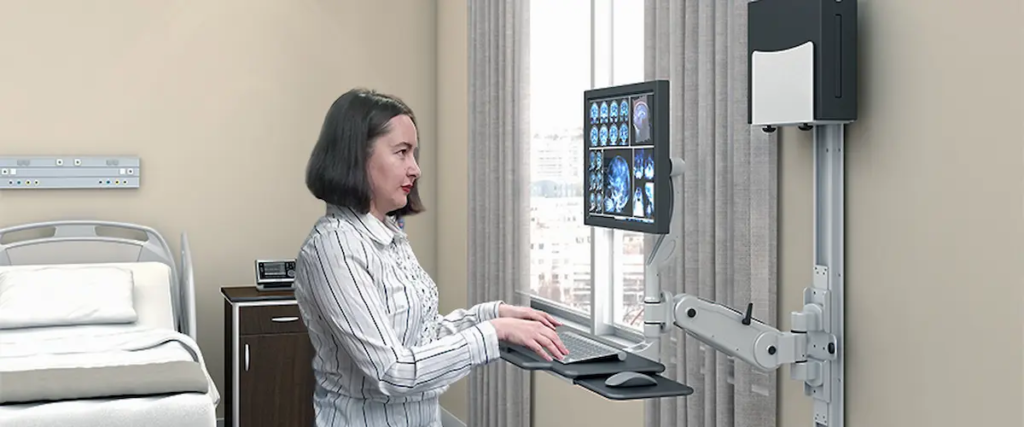
secure wall-mounted computer workstation

Secure Wall-Mounted Computer Workstation: Space-Saving, Safe & Efficient Computing

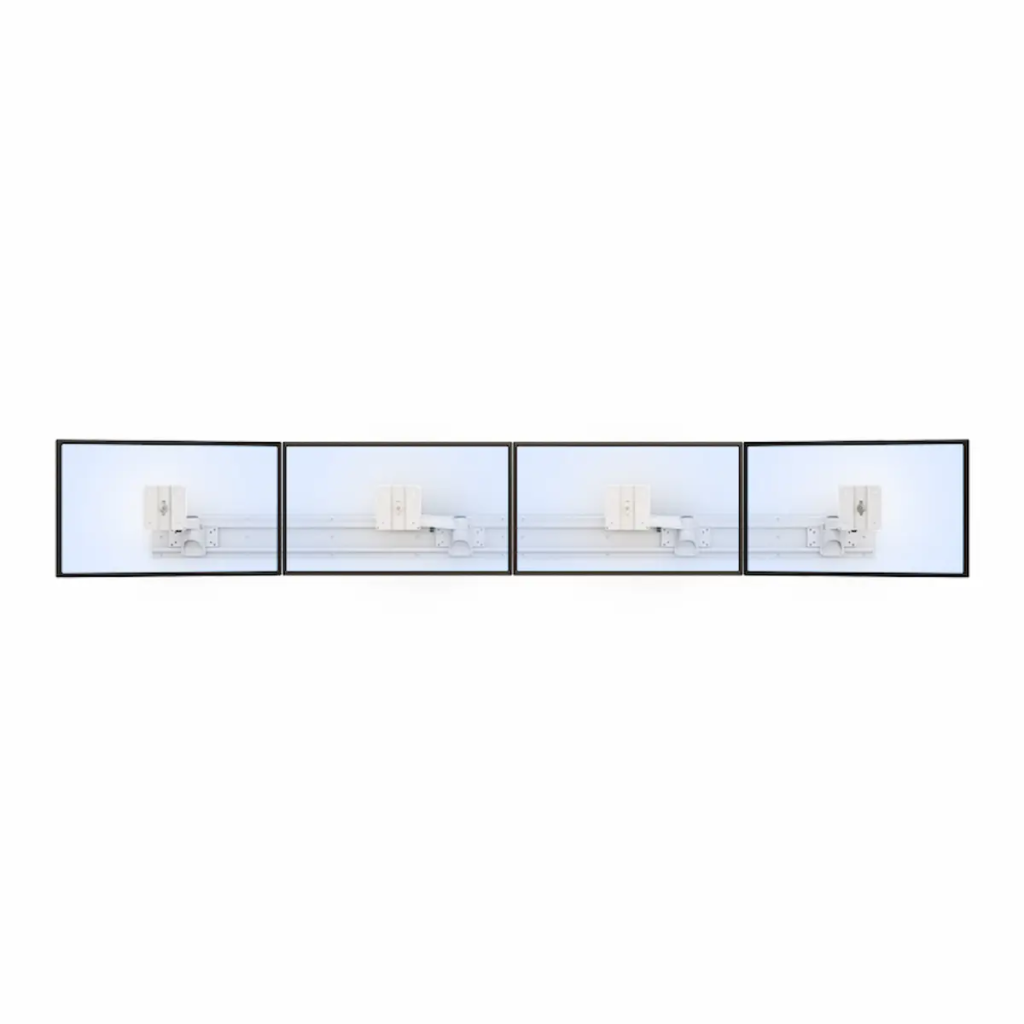
Secure Wall-Mounted Computer Workstation: Space-Saving, Safe & Efficient Computing   In environments where space is limited and security is critical, traditional workstations often fall short. Healthcare facilities, industrial sites, and commercial spaces require solutions that are both compact and highly secure. This is where a secure wall-mounted computer workstation becomes a game-changing investment. Designed to deliver reliable computing while protecting sensitive equipment, these workstations provide a streamlined, space-saving approach that enhances both efficiency and safety. What Is a Secure Wall-Mounted Computer Workstation? A secure wall-mounted computer workstation is a fixed computing station attached to a wall, typically enclosed in a durable metal housing to protect internal components. Unlike mobile carts or desks, these systems are built for permanent installation in high-demand environments. Solutions like wall-mounted computer systems are engineered to: Maximize available floor space Secure hardware with lockable enclosures Reduce clutter and improve organization Support continuous operation in demanding settings Key Benefits of a Secure Wall-Mounted Workstation 1. Enhanced Security and Equipment Protection One of the biggest advantages is the built-in security. A metal enclosure protects against unauthorized access, tampering, and accidental damage. Using solutions like secure computing enclosures ensures sensitive hardware and data remain protected in high-traffic environments. 2. Space-Saving Design for Efficient Layouts Wall-mounted systems eliminate bulky furniture and free up floor space. When paired with track-mounted systems, facilities can maximize vertical space while maintaining accessibility. 3. Improved Workflow and Accessibility Wall-mounted workstations keep essential systems within reach while maintaining organization. Integrating monitor arms allows flexible positioning, improving usability and efficiency. 4. Durable Construction for Demanding Environments These systems are built with rugged materials that protect against dust, impact, and wear. Adding workspace accessories enhances protection and functionality. 5. Clean and Professional Workspace Setup Wall-mounted systems reduce clutter and improve visual organization. For tailored configurations, tools like desk configurator help match exact workspace requirements. Common Use Cases Across Industries Healthcare: Secure access to patient data Industrial: Rugged computing in harsh environments Retail: Organized and secure POS setups IT environments: Controlled access using computer rack systems  How to Choose the Right Wall-Mounted Workstation When selecting a solution, consider: Security features (lockable enclosures) Space efficiency Hardware compatibility Ergonomic integration with monitor arms  Customization using desk configurator  Why Security and Space Optimization Matter Today Modern workplaces require efficient use of space and stronger protection for equipment. A secure wall-mounted workstation helps: Improve workflow efficiency Protect sensitive systems Reduce clutter Ensure long-term durability Conclusion A secure wall-mounted computer workstation  is a smart investment for organizations that prioritize security, efficiency, and space optimization. By implementing the right setup, businesses can create a streamlined, protected, and high-performing work environment.

Secure Wall-Mounted Computer Workstation: Space-Saving, Safe & Efficient Computing Read More »
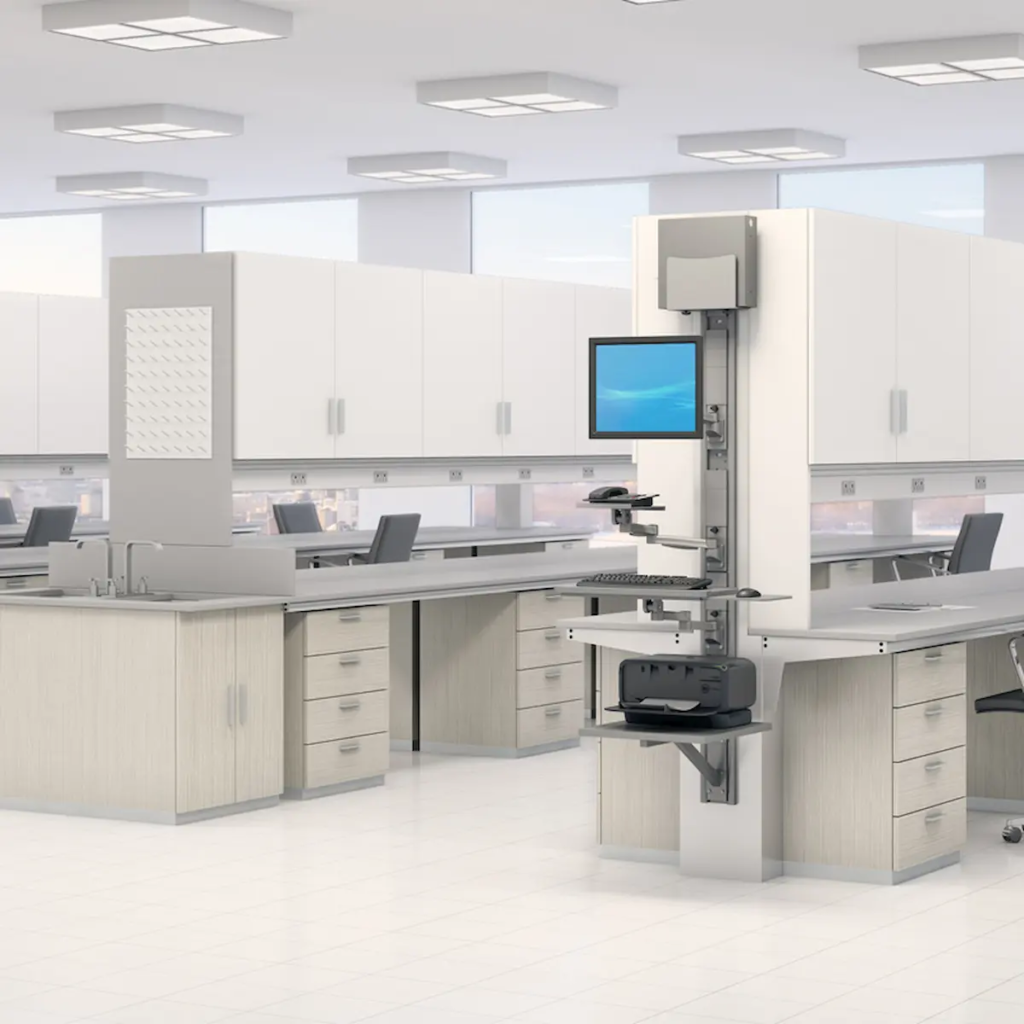
Convenient and Reliable Computing for Medical Professionals

Convenient and Reliable Computing for Medical Professionals: Why the Right Medical Computer Cart Matters

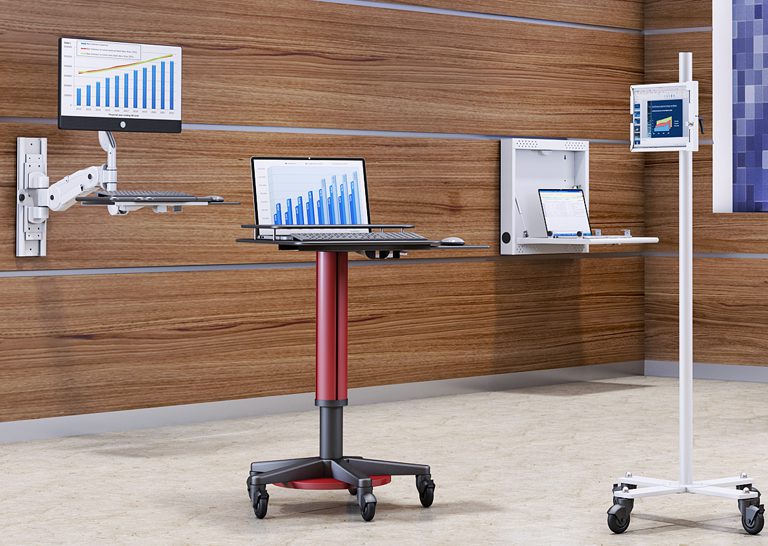
Convenient and Reliable Computing for Medical Professionals: Why the Right Medical Computer Cart Matters   In fast-paced healthcare environments, every second matters. Medical professionals rely on quick access to patient data, efficient workflows, and dependable equipment to deliver quality care. That’s where a medical computer cart becomes essential—bridging the gap between mobility and reliable computing in clinical settings. Whether in hospitals, clinics, or telemedicine environments, having convenient and reliable computing for medical professionals is critical for productivity, patient safety, and operational efficiency. What Is a Medical Computer Cart and Why Does It Matter? A medical computer cart is a mobile workstation designed to securely hold computing equipment while enabling healthcare professionals to move freely between patient rooms and departments. Unlike static setups, solutions like medical computer carts are engineered for: Mobility across clinical environments Secure device mounting Ergonomic adjustability Seamless workflow integration This allows clinicians to access EHR systems, update patient data in real time, and reduce inefficiencies. Key Benefits of Medical Computer Carts in Healthcare 1. Improved Clinical Workflow Efficiency Medical computer carts streamline operations by bringing computing directly to the point of care. Healthcare professionals using mobile workstations can: Document patient information instantly Reduce administrative delays Improve accuracy of medical records This leads to faster decisions and better patient outcomes. 2. Enhanced Mobility and Flexibility Healthcare environments require adaptability. With computer carts, staff can move between departments without losing access to critical systems. This is especially useful for: Emergency care Multi-room patient rounds Telemedicine workflows Mobility ensures continuous productivity. 3. Ergonomic Design for Long Shifts Long shifts demand equipment that supports physical well-being. Pairing carts with ergonomic tools like height-adjustable standing desks and monitor arms helps reduce strain and fatigue. Benefits include: Better posture support Reduced physical stress Increased comfort during extended use 4. Reliable and Secure Equipment Integration A quality medical cart supports and protects essential hardware. With add-ons like CPU holders and workspace accessories, healthcare teams can ensure organized and secure setups. These features help: Prevent device damage Improve cable management Maintain consistent performance 5. Supports Modern Healthcare Technology Today’s healthcare systems depend on digital integration. Medical carts allow seamless use of: Electronic Health Records (EHR) Telemedicine platforms Diagnostic tools With customizable solutions like the desk configurator, facilities can tailor setups based on workflow needs. Use Cases in Real Healthcare Environments Bedside Patient Care Clinicians can document patient data in real time, improving accuracy and efficiency. Telemedicine and Remote Consultations Mobile carts support virtual care delivery directly at the point of care. Emergency Response Quick mobility ensures critical tools are always within reach. Administrative Efficiency Staff can complete documentation without leaving their workflow zone. How to Choose the Right Medical Computer Cart When selecting a solution, consider: Mobility and Stability Look for smooth movement with locking mechanisms. Ergonomic Adjustability Ensure usability across different staff members. Device Compatibility Support for existing systems is essential. Durability and Cleanability Choose materials suited for healthcare environments. Customization Options Flexible setups using tools like desk configurator improve efficiency. Why Reliable Computing Is Critical in Healthcare Reliable computing directly impacts: Patient safety Accuracy of records Speed of care delivery Operational efficiency Using dependable solutions like medical computer carts allows professionals to focus on patient care without interruptions. Conclusion The need for convenient and reliable computing for medical professionals continues to grow. A well-designed medical computer cart enhances mobility, improves workflow, and supports better patient outcomes. Investing in reliable solutions like computer carts and mobile workstations is a strategic step toward modern, efficient healthcare environments. FAQs   What is a medical computer cart used for? A medical computer cart provides mobile computing access, allowing healthcare professionals to manage patient data efficiently. Why are medical carts important in hospitals? They improve workflow efficiency and enable real-time access to patient information. Are medical computer carts ergonomic? Yes, they are designed with adjustable features to support comfort during long shifts. Can medical carts support telemedicine? Yes, they enable remote consultations and mobile healthcare delivery. How do I choose the best medical computer cart? Focus on mobility, ergonomics, compatibility, durability, and customization options.

Convenient and Reliable Computing for Medical Professionals: Why the Right Medical Computer Cart Matters Read More »

workstation accessories

Workstation Accessories: How to Build a More Efficient and Ergonomic Workspace

Workstation Accessories: How to Build a More Efficient and Ergonomic Workspace   How Do Workstation Accessories Improve Productivity and Comfort? Workstation accessories improve productivity and comfort by optimizing ergonomics, organization, and accessibility. Many workspaces look functional at first glance, but over time, small inefficiencies start to add up. Poor monitor positioning, tangled cables, and lack of proper support can lead to discomfort and slower workflows. The right accessories solve these problems by creating a more organized and ergonomic environment, helping users stay focused and efficient throughout the day. What Workstation Accessories Do You Actually Need? Which Accessories Make the Biggest Impact on Daily Work? The most impactful workstation accessories are those that improve ergonomics, reduce clutter, and enhance accessibility. Not every accessory is necessary, and adding too many can create more complexity than value. Instead, focusing on high-impact solutions ensures that your workspace remains efficient and easy to manage. Choosing the right combination of accessories can transform a basic workstation into a highly functional and comfortable setup. 1. Monitor Arms and Mounts Monitor arms help position screens at the correct height and angle, reducing neck and eye strain. They are essential for maintaining proper posture and improving visibility, especially in multi-screen setups. Solutions like ergonomic mounts provide flexibility and precision for better screen positioning. 2. Cable Management Accessories Cable management solutions keep wires organized and prevent clutter. A clean workspace not only looks better but also improves efficiency by making it easier to access and maintain equipment. Organized cables reduce distractions and create a safer working environment. 3. CPU Holders and Mounting Solutions CPU holders free up desk space and improve airflow around your equipment. By mounting CPUs off the floor or desk, users can create more room for work while also protecting equipment from dust and damage. 4. Keyboard Trays and Ergonomic Add-ons Keyboard trays and ergonomic accessories support proper wrist positioning and reduce strain. These solutions are especially important for users who spend long hours typing, as they help prevent discomfort and repetitive stress injuries. 5. Storage and Utility Accessories Storage accessories help keep essential tools and supplies organized and within reach. An organized workspace reduces time spent searching for items and improves overall productivity. 6. Integrated Workstation Add-ons Integrated add-ons combine multiple accessories into one cohesive system. Pairing solutions like computer carts and medical carts allows users to create a fully functional and mobile workstation. How Do You Choose the Right Workstation Accessories? What Factors Should You Consider Before Buying Accessories? Choosing the right workstation accessories requires evaluating compatibility, ergonomics, workspace layout, and workflow needs. Start by assessing your current setup and identifying pain points. Consider the size of your desk, the number of devices you use, and how you interact with your workspace daily. Selecting accessories that align with these factors ensures that your setup remains efficient and easy to use. How Do Accessories Work Together as a System? Workstation accessories are most effective when they function as a connected system rather than individual add-ons. For example, combining monitor mounts with cable management solutions creates a cleaner and more organized workspace. Thinking in terms of bundles or “frequently used together” setups helps ensure compatibility and maximizes the benefits of each component. Exploring custom products can further enhance integration and performance. How Do Workstation Accessories Improve Efficiency and ROI? Workstation accessories improve efficiency by reducing physical strain, improving organization, and streamlining workflows. When users are comfortable and have easy access to tools, they can complete tasks more quickly and accurately. This leads to improved productivity and fewer interruptions. Over time, these benefits translate into a stronger return on investment. Where Are Workstation Accessories Most Valuable? What Real-World Use Cases Show Their Importance? Workstation accessories are valuable across offices, healthcare environments, IT operations, and industrial workspaces. In offices, they improve organization and comfort. In healthcare, they support efficient workflows and hygiene standards. In IT environments, they help manage equipment and cables. Their versatility makes them essential in any workspace where productivity and efficiency are priorities. How Do Accessories Support Scalable Workspaces? Workstation accessories support scalability by allowing setups to adapt to changing needs. As teams grow or workflows evolve, accessories can be added or reconfigured without replacing the entire workstation. This flexibility makes it easier to scale operations and maintain efficiency over time. Conclusion: Building a Smarter Workspace with the Right Accessories Workstation accessories are more than just add-ons—they are essential tools for improving comfort, organization, and productivity. The right combination of accessories creates a workspace that supports both efficiency and long-term performance. If you’re ready to upgrade your setup, explore workstation accessories or connect through the contact page to find the right solution for your needs.

Workstation Accessories: How to Build a More Efficient and Ergonomic Workspace Read More »

Desk configurator

Desk Configurator: How to Build a Workspace That Actually Fits Your Workflow

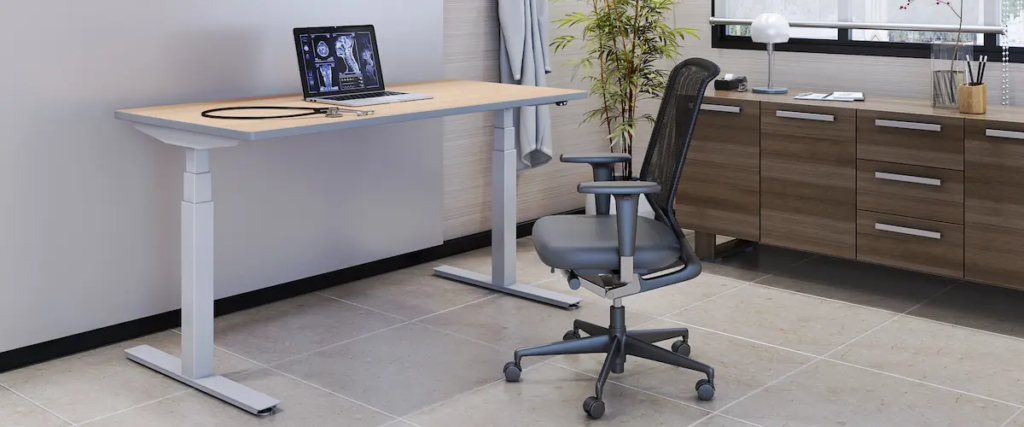
Desk Configurator: How to Build a Workspace That Actually Fits Your Workflow   What Is a Desk Configurator and Why Does It Matter? A desk configurator is an interactive tool that allows you to design and customize a workstation based on your specific needs, space, and workflow. Most workspaces are built using standard furniture that doesn’t fully match how people actually work. This often leads to inefficiencies, discomfort, and constant adjustments. A desk configurator solves this problem by giving you control over your setup—from size and layout to accessories and integrations. Instead of adapting to a fixed design, you create a workspace that aligns with your daily tasks and environment. What Can You Customize with a Desk Configurator? Which Features Actually Make a Difference in Your Setup? The most valuable customization options include desk size, height adjustability, mounting solutions, accessories, and system integrations. Not all customization options are equally important. The goal is to focus on features that directly improve workflow, comfort, and efficiency. Understanding what you can customize helps you design a setup that works for you long-term. 1. Desk Size and Layout Choosing the right desk size ensures your workspace fits your environment. Whether you’re working in a compact office or a large facility, selecting the correct dimensions prevents overcrowding and improves usability. 2. Height Adjustability and Ergonomics Adjustable desks allow users to switch between sitting and standing positions. This flexibility improves posture and reduces fatigue during long work hours. Pairing with office standing desks enhances ergonomic benefits. 3. Monitor Mounting and Screen Positioning Proper monitor placement is essential for comfort and productivity. Using monitor arms allows you to adjust screens for optimal viewing angles, reducing strain and improving workflow efficiency. 4. Equipment Integration and Mounting Options A well-designed workspace integrates all essential equipment seamlessly. Options like CPU holders and wall mounts help optimize space and organization. 5. Accessories and Workflow Enhancements Accessories complete the workspace and improve usability. Adding workstation accessories ensures that your setup is organized, efficient, and tailored to your needs. 6. Mobile and Flexible Workspace Options Mobility is increasingly important in modern environments. Combining with mobile workstations and computer carts allows for dynamic and adaptable setups. How Do You Use a Desk Configurator Effectively? What Should You Consider Before Designing Your Workspace? Before using a desk configurator, consider your workflow, available space, equipment requirements, and long-term needs. Start by analyzing how you work on a daily basis. Do you need multiple monitors? Do you frequently switch between tasks? Do you require mobility? Answering these questions helps you make informed decisions and avoid unnecessary features. How Does a Desk Configurator Improve Efficiency and ROI? A desk configurator improves efficiency by creating a workspace tailored to your specific tasks and reducing unnecessary adjustments. When your workspace is designed around your workflow, you spend less time adapting and more time working. This leads to improved productivity, better organization, and fewer disruptions. Over time, these benefits result in measurable cost savings and a stronger return on investment. How Does Customization Compare to Standard Workstations? Customized workstations provide flexibility and performance that standard setups cannot match. While standard desks may be quicker to purchase, they often require compromises. A customized solution ensures that every element of your workspace is intentional and aligned with your needs, resulting in a more efficient and comfortable environment. Where Does a Desk Configurator Make the Biggest Impact? What Work Environments Benefit the Most from Custom Workstations? Desk configurators are valuable in offices, healthcare environments, IT operations, and industrial workspaces. In offices, they improve productivity and ergonomics. In healthcare, they support efficient workflows and hygiene standards. In IT and industrial environments, they help manage complex equipment and optimize space. Their versatility makes them useful across a wide range of industries. How Does a Desk Configurator Support Modern Workspaces? Modern workspaces are becoming more flexible, collaborative, and user-focused. A desk configurator supports this shift by allowing organizations to create adaptable setups that evolve with changing needs. Whether supporting hybrid work models or specialized environments, customization ensures that workspaces remain efficient and future-ready. Conclusion: Design a Workspace That Works for You A desk configurator is more than just a design tool—it’s a way to create a workspace that truly supports your workflow, comfort, and productivity. By customizing your setup, you can eliminate inefficiencies and build an environment that adapts to your needs. If you’re ready to design your ideal workspace, explore the desk configurator or connect through the contact page to get started.  

Desk Configurator: How to Build a Workspace That Actually Fits Your Workflow Read More »

Cpu holders

CPU Holders: How to Save Space, Improve Airflow, and Protect Your Equipment

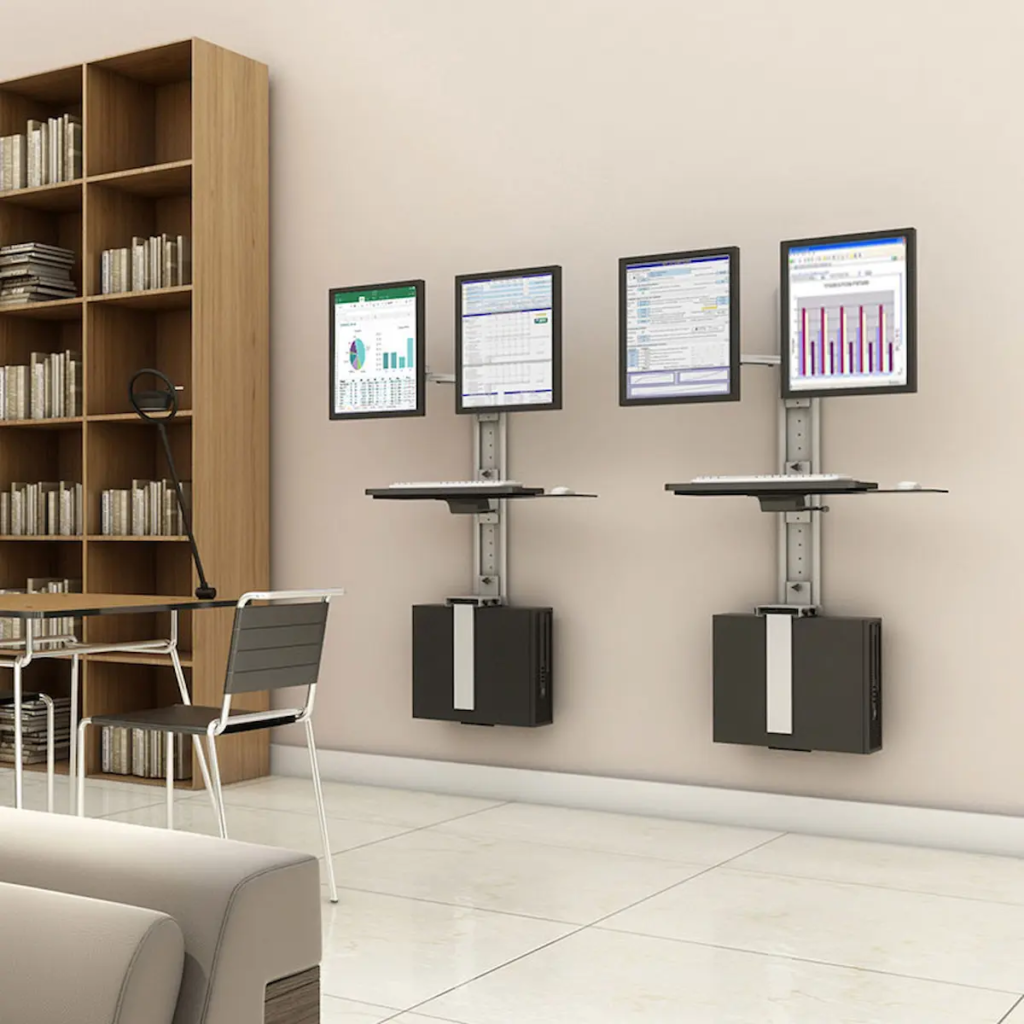
CPU Holders: How to Save Space, Improve Airflow, and Protect Your Equipment   What Are CPU Holders and Why Do They Matter? CPU holders are mounting solutions designed to securely hold your computer tower while improving workspace organization, airflow, and accessibility. In many work environments, CPU towers are placed directly on the floor or desk, where they are exposed to dust, accidental damage, and poor airflow. This not only reduces performance but also creates clutter and limits workspace efficiency. CPU holders solve these issues by elevating and securing the unit, allowing better ventilation and freeing up valuable desk or floor space. Whether in offices, healthcare facilities, or industrial environments, they provide a simple yet impactful upgrade to any workstation. What Types of CPU Holders Should You Consider? Which CPU Holder Designs Work Best for Different Setups? The most common types of CPU holders include under-desk mounts, wall-mounted units, and adjustable frame holders, each designed for different workspace needs. Choosing the right type depends on how your workspace is organized and how often you need to access your equipment. Understanding these options helps ensure that your setup remains both functional and efficient. 1. Under-Desk CPU Holders Under-desk holders mount the CPU beneath the workstation surface. This keeps the unit off the floor while maintaining easy access for maintenance. It also maximizes desk space, making it ideal for offices and ergonomic setups. Pairing with office standing desks creates a clean and efficient workstation. 2. Wall-Mounted CPU Holders Wall-mounted holders secure the CPU against a wall or vertical surface. These are ideal for environments where floor space is limited or where equipment needs to be kept completely off the ground. Explore wall mounts for compatible solutions. 3. Adjustable CPU Holders Adjustable holders are designed to accommodate different CPU sizes. They provide flexibility for organizations that use various types of equipment or plan to upgrade systems over time. 4. Mobile Workstation Integration CPU holders can be integrated into mobile setups for added flexibility. Combining with mobile workstations and computer carts allows users to move complete systems easily while keeping components secure. 5. Industrial and Heavy-Duty CPU Mounts Heavy-duty mounts are built for demanding environments. They offer enhanced durability and stability, making them suitable for industrial and technical applications. How Do You Choose the Right CPU Holder? What Factors Should You Consider Before Buying a CPU Holder? Choosing the right CPU holder requires evaluating workspace layout, CPU size, accessibility needs, and mounting preferences. Start by identifying where your CPU is currently placed and what challenges you’re facing. Is it taking up valuable desk space? Is it exposed to dust or damage? Do you need frequent access to ports and cables? Answering these questions helps you select a solution that improves both functionality and organization. How Do CPU Holders Improve Airflow and Equipment Performance? CPU holders improve airflow by elevating the unit and allowing proper ventilation. When placed directly on the floor or enclosed in tight spaces, CPUs can overheat due to restricted airflow. By positioning the unit in an open and elevated location, CPU holders help maintain optimal temperatures, improving performance and extending the lifespan of your equipment. How Do CPU Holders Improve Workspace Efficiency and ROI? CPU holders improve efficiency by reducing clutter, protecting equipment, and optimizing workspace organization. A cleaner and more organized workspace allows users to focus better and work more efficiently. Additionally, protecting equipment from dust and damage reduces maintenance costs and downtime. Over time, these benefits contribute to a stronger return on investment. Where Are CPU Holders Most Useful? What Work Environments Benefit the Most from CPU Holders? CPU holders are widely used in offices, healthcare environments, IT setups, and industrial workspaces. In offices, they improve organization and ergonomics. In healthcare, they help maintain hygiene and accessibility. In IT environments, they support efficient cable management and system maintenance. Their versatility makes them a valuable addition to any workspace. How Do CPU Holders Fit Into a Complete Ergonomic Setup? CPU holders are most effective when integrated into a complete ergonomic system. Combining them with monitor arms , track mounts , and accessories creates a fully optimized workspace. Using the desk configurator allows you to design a setup tailored to your needs. Conclusion: A Simple Upgrade with Long-Term Benefits CPU holders may seem like a small addition, but they deliver significant improvements in organization, performance, and equipment protection. By choosing the right type and integrating it into your workspace, you can create a cleaner, more efficient, and more ergonomic environment. If you’re ready to upgrade your setup, explore CPU holders or connect through the contact page  to find the right solution for your workspace.

CPU Holders: How to Save Space, Improve Airflow, and Protect Your Equipment Read More »