
Why Standing Desks Are Showing Up in 2026 Office Upgrade Budgets
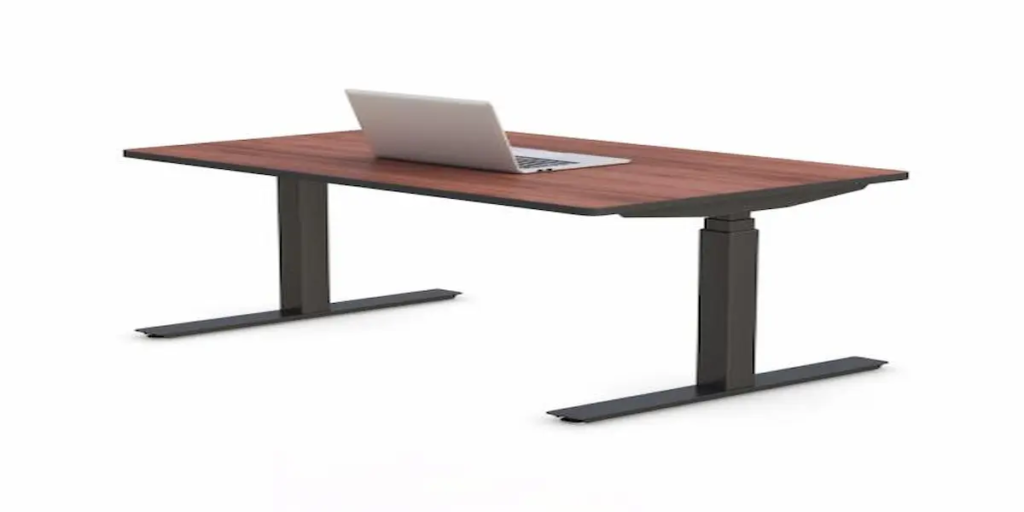
Why Standing Desks Are Showing Up in 2026 Office Upgrade Budgets A lot of companies have shifted their approach to getting people back into the office. Instead of just handing down a mandate, they’re spending money on the office itself. Ergonomic stipends, furniture refreshes, and wellness upgrades keep showing up in coverage of 2026 return-to-office strategy. Standing desks are one of the most common line items in that spending. If you’re the one actually picking furniture for that budget, an electric sit-stand desk in the 48×30 size, like the one Ergoville builds, is worth a close look. It’s sized for the kind of single-monitor workstation most office roles actually use, and it’s built to order rather than pulled from a fixed catalog. What Should You Look for in an Electric Sit-Stand Desk for an Office Upgrade? A good electric sit-stand desk for an office refresh comes down to four things. A motor and lift mechanism that stays steady at full height. A warranty that actually covers repairs, not just replacement parts. Finish options that match the rest of the office. And a manufacturer who can build to order instead of forcing you into whatever size and color happen to be in stock. It’s easy to get pulled into comparing every spec sheet side by side. But the real question for an office upgrade is simpler. Will this desk hold up across dozens of daily uses without the lift getting wobbly. Can you order it in the finish that matches your space instead of settling. And if something goes wrong six months in, is there an actual warranty behind it, or just a return window that’s already closed. What Comes Standard on Ergoville’s 48×30 Model? This model comes with electronic push button height control, a laminated desktop with smooth edge moldings, hydraulic legs on a stable footing, and built-in wire management. CPU placement is handled too, so equipment stays out from underfoot. Weight capacity, lift range, and noise level at different heights aren’t listed on the current product page. Worth asking Ergoville directly for those numbers before finalizing a bulk order, especially if you’re comparing it against another vendor’s spec sheet. Four Things to Compare Before Ordering for an Office Refresh Desktop finish options matter more for an office refresh than a single desk purchase, since you’re trying to match a room, not just pick your own preference. Warranty terms are worth reading closely. Ask specifically what’s covered if a motor needs replacing down the line. Lead time for built-to-order desks tends to run longer than a DTC brand shipping from stock. Plan for that if you’re working toward a rollout date. Ask whether bulk or multi-unit ordering comes with any pricing or logistics advantage, since that’s not always advertised upfront. If you want the research behind why alternating between sitting and standing matters for long term health, SHRM has published guidance on ergonomic office design that’s worth a read before finalizing a company-wide policy. Is a 48×30 Electric Desk the Right Choice for Your Office Refresh? The 48×30 size works well for single-monitor workstations, shared desks, and offices upgrading in phases rather than replacing every desk with the biggest option available. If most of the roles in your office use one monitor and a laptop, 48×30 is probably plenty of room. It’s the size that tends to satisfy the most people without overspending on width nobody actually uses. That said, be honest about who might need more. Design roles running dual monitors, or teams that spread out paperwork alongside a screen, will likely outgrow 48 inches fast. It’s worth segmenting your order by role rather than picking one size for the whole floor. How Does 48×30 Compare to Ergoville’s Larger Desk Sizes? If you’re ordering across multiple departments, it helps to think in terms of what’s actually sitting on each desk. A 60×30 electric standing desk gives meaningfully more room for a dual monitor setup, while the 72×30 and 84×30 sizes make more sense for roles that need paperwork or extra equipment spread out. Mixing sizes across an office by role tends to work better than standardizing on one size for everyone. How Are Companies Actually Using Standing Desks in 2026 Office Upgrades? Companies are increasingly pairing standing desks with broader office refresh budgets and ergonomic stipend programs, as part of making in-office attendance feel worth it rather than mandatory. Picture a company rolling out new desks floor by floor as part of a phased office redesign, rather than all at once. Or an HR team offering an ergonomic stipend that employees can put toward furniture of their choosing, standing desks being one of the most common picks. Neither of these guarantees better morale or retention on its own. But they’re a real, current part of how companies are approaching the office right now, not just a marketing narrative built around the idea. What Do Facilities Teams Usually Ask Before Ordering Multiple Built-to-Spec Desks? Most ask about lead time for a multi-unit order, whether finish and color can be standardized across the batch, and what installation support looks like at scale. Since Ergoville builds to order, there’s more flexibility to answer these directly rather than working around a fixed catalog size. It’s worth checking out the custom desk configurations tool if you’re planning a larger rollout, or computer carts if some areas of the office need mobility more than a fixed desk. Frequently Asked Questions Is a 48×30 electric standing desk big enough for a typical office role? For most single-monitor workstations, yes. Roles running dual monitors or needing extra surface space may be better suited to a larger size. Can companies order multiple built-to-spec desks for an office upgrade at once? Yes, Ergoville builds to order, so bulk or multi-unit orders can be configured with consistent finish and specifications across the batch. What’s the weight capacity of an electric standing desk this size? Weight capacity should be confirmed directly with Ergoville before ordering, since it isn’t listed on
Why Standing Desks Are Showing Up in 2026 Office Upgrade Budgets Read More »