
Why Computer on Wheels Carts Are Transforming Flexible Workspaces in 2026
Modern workplaces are changing faster than ever. Healthcare facilities, warehouses, manufacturing plants, educational institutions, and corporate offices are all looking for ways to improve efficiency while giving employees access to technology wherever work happens.
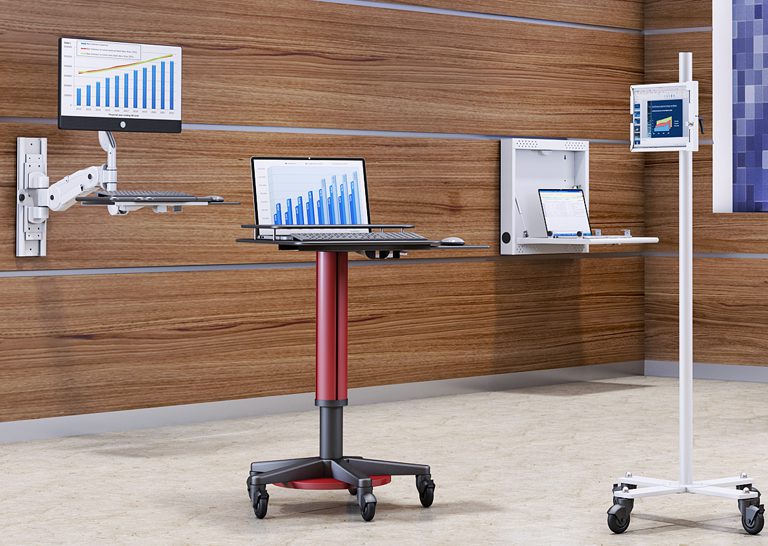
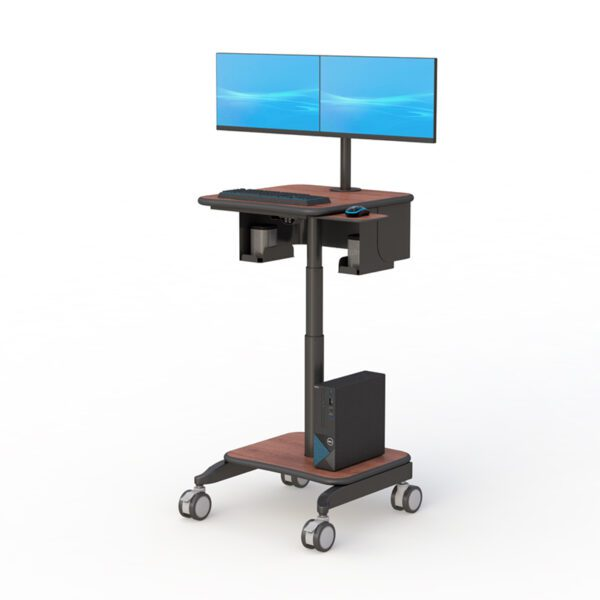
This shift has fueled growing demand for solutions like a computer on wheels cart, mobile workstation, computer cart on wheels, and ergonomic workstation systems. Organizations are increasingly moving away from fixed computer stations and adopting flexible technology environments that allow teams to stay productive without being tied to one location.
Whether supporting healthcare staff moving between patient rooms, warehouse personnel tracking inventory, or office teams collaborating across departments, mobile computing solutions are helping organizations work smarter. Products like Ergoville’s computer carts and mobile workstations are becoming valuable assets for businesses that prioritize mobility, efficiency, and workplace ergonomics.
Why Are Computer on Wheels Carts Becoming More Popular?
They Bring Technology Directly to the Work
Traditional workstations require employees to travel back and forth between work areas and fixed computers. This constant movement can slow productivity and create workflow interruptions.
A computer cart on wheels eliminates this challenge by bringing technology directly to where work happens. Instead of employees traveling to the workstation, the workstation travels to the employee.
This flexibility is particularly valuable in environments where mobility is critical:
- Hospitals and healthcare facilities
- Manufacturing floors
- Warehouses and logistics centers
- Educational campuses
- Corporate office environments
- Technical support departments
Organizations investing in mobile workstations often find that employees spend less time searching for equipment and more time completing meaningful tasks.
Flexible Workspaces Are Driving Demand
Modern workplaces are no longer built around fixed desks and assigned workstations. Hybrid work environments, shared office spaces, and collaborative work zones have become standard across many industries.
A computer on wheels cart supports these modern workplace strategies by allowing organizations to adapt technology to changing operational needs.
For example:
- Healthcare workers can document patient information at the bedside.
- Warehouse employees can access inventory systems directly from storage aisles.
- Manufacturing teams can review production data at workstations throughout the facility.
- Office employees can collaborate without returning to dedicated desks.
Many organizations combine mobile carts with solutions like office standing desks and the desk configurator to create highly adaptable work environments that support both productivity and employee comfort.
What Features Matter Most in a Computer Cart on Wheels?
Mobility and Storage Are Essential
The best computers on wheels provide more than simple mobility. They also support equipment organization and efficient workflow management.
Features that often deliver the most value include:
- Integrated storage shelves
- Durable caster wheels
- Cable management systems
- Adjustable monitor positioning
- Equipment organization capabilities
- Space-saving designs
A well-designed cart allows employees to keep everything they need in one location while maintaining the flexibility to move throughout the workplace.
This is especially important in fast-paced environments where quick access to equipment can significantly improve operational efficiency.
Ergonomic Design Supports Long-Term Productivity
Employee comfort directly impacts performance. Poor workstation design can contribute to fatigue, discomfort, and repetitive strain issues that affect both productivity and job satisfaction.
Modern computer carts on wheels increasingly incorporate ergonomic features that help employees work comfortably throughout the day.
Organizations can further improve ergonomics by integrating:
- Monitor arms
- CPU holders
- Office standing desks
- Ergonomic accessories and workstation enhancements
Proper monitor positioning, improved posture, and flexible workstation setups help create healthier and more sustainable work environments.
According to workplace ergonomics guidance from the Mayo Clinic, properly configured workstations can help reduce physical strain and improve overall workplace comfort.
Where Are Computer on Wheels Carts Commonly Used?
Healthcare Environments
Healthcare facilities are among the largest adopters of mobile computing solutions.
Nurses, physicians, and support staff frequently use computers on wheels to:
- Access electronic medical records
- Document patient information
- Manage medication workflows
- Support bedside care activities
Mobile technology allows healthcare professionals to spend more time with patients while reducing unnecessary travel throughout the facility.
Warehouses and Distribution Centers
Warehouse operations depend on speed, accuracy, and real-time data access.
A computer on wheels cart allows employees to:
- Access inventory systems
- Process shipments
- Update stock levels
- Monitor logistics data
Instead of returning to centralized workstations, teams can complete tasks directly from the warehouse floor.
Organizations often pair these solutions with computer racks and other technology infrastructure to support large-scale operations.
Manufacturing Facilities
Manufacturing teams rely on continuous access to production information, quality control systems, and operational data.
Mobile computing solutions help employees:
- Monitor production metrics
- Access work instructions
- Track quality inspections
- Collaborate across departments
Flexible workstation mobility supports lean manufacturing initiatives while improving information accessibility throughout production environments.
Education and Training Environments
Schools, universities, and corporate training facilities increasingly use mobile technology carts to support flexible learning environments.
These systems help educators:
- Deliver presentations
- Manage digital learning tools
- Support collaborative projects
- Adapt classroom layouts
The ability to move technology where it is needed creates more dynamic and engaging learning experiences.
How Do Mobile Workstations Support Ergonomic Workflows?
A mobile workstation should do more than move technology. It should improve how people interact with technology.
Organizations investing in ergonomic workplace design often prioritize:
- Adjustable monitor positioning
- Reduced cable clutter
- Better workstation accessibility
- Flexible standing and sitting options
- Improved equipment organization
Solutions like monitor arms and CPU holders help create cleaner, more ergonomic workstation setups while maximizing usable workspace.
Businesses looking for customized solutions can also explore Ergoville’s desk configurator to build workstation environments tailored to their specific operational needs.
How Do You Choose the Right Computer Cart on Wheels?
Selecting the right solution depends on understanding your workflow requirements.
Before purchasing a computer cart on wheels, consider:
How mobile does the workstation need to be?
Some environments require frequent movement throughout large facilities, while others need only occasional repositioning.
What equipment will the cart support?
Consider:
- Computer systems
- Monitors
- Printers
- Scanners
- Peripheral devices
How important is storage?
Integrated shelves and storage compartments can significantly improve workflow efficiency.
What ergonomic requirements exist?
Monitor positioning, workstation height, and equipment accessibility should all support comfortable daily use.
Will future expansion be necessary?
Organizations should select solutions that can adapt as technology and operational needs evolve.
Products like Ergoville’s mobile workstations provide flexibility that supports both current and future workplace requirements.
Frequently Asked Questions
What is a computer on wheels cart?
A computer on wheels cart is a mobile workstation that allows users to transport computer equipment and technology throughout a workplace environment.
What are computers on wheels used for?
They are commonly used in healthcare, manufacturing, logistics, education, and office environments to improve mobility and technology accessibility.
How does a computer cart on wheels improve productivity?
It reduces unnecessary travel, improves access to technology, and allows employees to complete tasks closer to where work occurs.
Are mobile computer carts ergonomic?
Many modern computer carts include ergonomic features that support monitor positioning, equipment accessibility, and improved workstation comfort.
Can computer carts be used in healthcare environments?
Yes. Healthcare facilities frequently use computer carts to support patient documentation, medical records access, and bedside care workflows.
What should I look for when buying a computer cart on wheels?
Consider mobility, storage capacity, ergonomics, durability, equipment compatibility, and future scalability.