
Why Mobile Powered Workstations Are Reshaping Productivity Across Industries in 2026
As organizations continue embracing digital transformation, flexible work environments, and real-time collaboration, traditional fixed workstations are becoming less practical for many industries. Employees increasingly need access to computers, monitors, software platforms, and digital tools wherever work happens—not just at a designated desk.
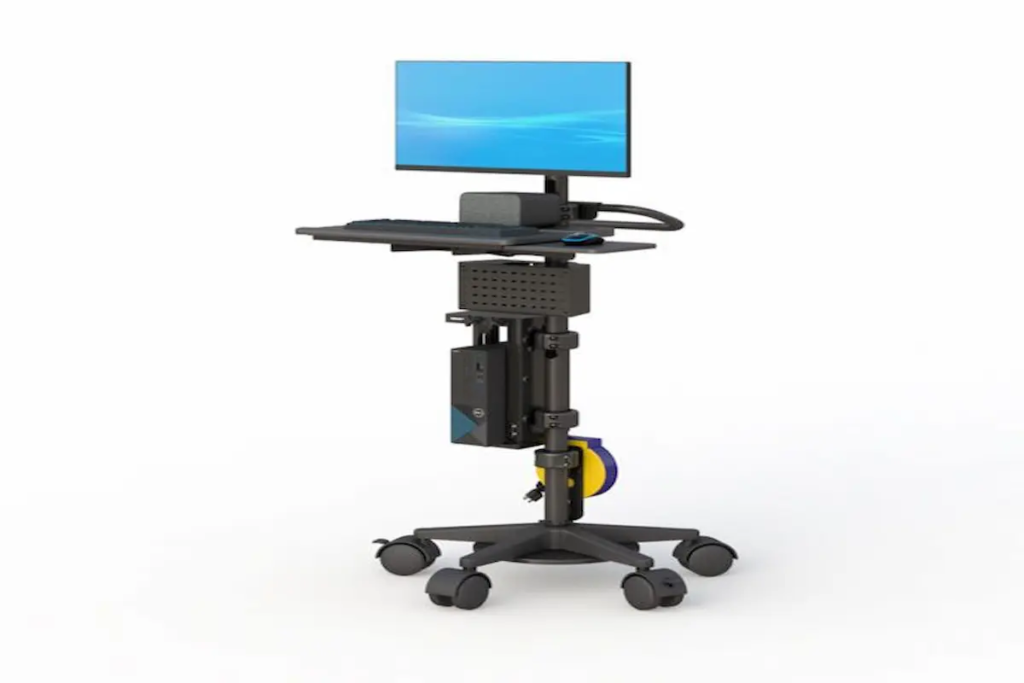
This shift is driving rapid adoption of the mobile powered workstation, a solution designed to bring technology directly to the point of work. Whether in healthcare facilities, manufacturing plants, warehouses, educational institutions, laboratories, or corporate environments, organizations are recognizing the value of mobile technology that moves with the user.
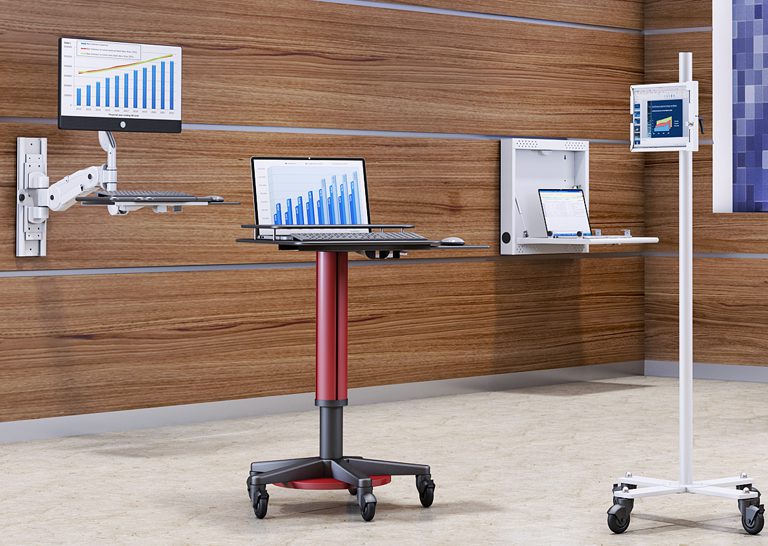
Unlike traditional desk setups, a mobile workstation cart enables employees to remain productive while moving between departments, workstations, patient rooms, production lines, or collaboration spaces. Modern businesses are increasingly turning to solutions such as mobile workstations to improve efficiency, reduce downtime, and support evolving workplace demands.
As workforce mobility continues to increase, powered workstation solutions are becoming an essential part of modern operational strategies.
Why Are Mobile Powered Workstations Becoming More Important?
The modern workplace demands flexibility. Employees no longer work exclusively from a single location, and organizations must ensure that technology can adapt to changing operational needs.
A workstation on wheels helps eliminate one of the most common productivity barriers: the need to repeatedly travel back and forth between work areas and computer stations.
Instead of bringing employees to technology, mobile powered workstations bring technology directly to employees.
Benefits include:
- Faster access to information
- Improved workflow efficiency
- Better collaboration
- Reduced downtime
- Increased workplace flexibility
- Enhanced operational responsiveness
For example, healthcare professionals can access electronic records at the bedside, while manufacturing operators can monitor production systems directly from the factory floor.
Businesses seeking greater workplace mobility often complement their setups with solutions such as computer carts and customized workstation systems.
How Do Mobile Workstation Carts Improve Daily Operations?
Many workplace inefficiencies stem from interruptions. Employees frequently stop what they are doing to retrieve information, access software, or use equipment located elsewhere.
A mobile computer cart reduces these interruptions by allowing technology to remain accessible wherever work is performed.
This approach helps employees:
- Complete tasks faster
- Improve information accuracy
- Reduce unnecessary movement
- Increase productivity
- Enhance collaboration between teams
In healthcare environments, clinicians can document patient information directly at the point of care. In warehouses, workers can update inventory systems without returning to a central workstation. In manufacturing facilities, operators can access production data while remaining focused on operational processes.
The result is a more streamlined workflow that supports both productivity and user satisfaction.
What Features Matter Most in a Mobile Powered Workstation?
Choosing the right workstation requires understanding how employees interact with technology throughout the day.
Several features consistently provide the greatest value.
Reliable Mobility
Mobility is the foundation of any workstation on wheels.
A high-quality system should provide:
- Smooth movement
- Stable construction
- Durable casters
- Secure locking mechanisms
These features allow users to move equipment safely while maintaining workstation stability during use.
Ergonomic Flexibility
Employees often spend long hours interacting with workstation systems.
Ergonomic features help improve comfort through:
- Adjustable monitor positioning
- Height-adjustable work surfaces
- Flexible workstation layouts
Organizations frequently enhance workstation ergonomics using monitor arms that allow users to position displays for optimal visibility and comfort.
Workspace Organization
Clutter can negatively affect productivity and usability.
Solutions such as CPU holders and workstation accessories help maintain cleaner, more organized environments while maximizing usable workspace.
Why Are Mobile Powered Workstations Supporting Hybrid Work Models?
Hybrid work environments continue evolving across nearly every industry.
Organizations increasingly operate across:
- Shared offices
- Flexible workspaces
- Healthcare facilities
- Warehouses
- Manufacturing plants
- Educational environments
A mobile workstation cart supports these changing environments by allowing technology to move where it is needed most.
Rather than dedicating expensive equipment to a single location, businesses can deploy mobile workstations throughout multiple operational areas.
This flexibility supports:
- Better resource utilization
- Improved collaboration
- Faster decision-making
- Greater workspace efficiency
Organizations designing adaptable work environments often use the desk configurator to create customized workstation solutions that support both mobile and stationary workflows.
How Are Mobile Powered Workstations Supporting Industry Trends in 2026?
Several major workplace trends continue driving demand for workstation mobility.
Digital Transformation
Organizations increasingly rely on digital systems to manage operations, analyze data, and support decision-making.
Mobile workstations help bring these technologies directly to employees.
Real-Time Information Access
Immediate access to information has become essential for productivity.
A workstation on wheels allows employees to access systems wherever work occurs.
Workforce Flexibility
Employees are expected to move quickly between tasks and locations.
Mobile workstation solutions support these dynamic workflows.
Space Optimization
Businesses are reevaluating how physical workspaces are used.
Mobile technology helps maximize available space while maintaining access to critical equipment and systems.
As workplace requirements continue evolving, mobile powered workstations are becoming a strategic investment rather than a convenience.
What Mistakes Should Buyers Avoid?
Selecting the wrong workstation can create long-term challenges.
Common mistakes include:
Focusing Only on Initial Cost
Lower-cost solutions may lack the durability and flexibility needed for demanding environments.
Ignoring User Requirements
Different departments often require different workstation configurations.
A healthcare environment may have very different needs than a manufacturing facility or warehouse.
Overlooking Ergonomics
Poor ergonomics can contribute to discomfort, reduced productivity, and lower user satisfaction.
Forgetting Future Growth
Technology requirements continue evolving.
Organizations should choose workstation systems capable of adapting to future operational needs.
Proper planning helps maximize return on investment while reducing the need for future replacements.
How Do You Choose the Right Mobile Powered Workstation?
The ideal workstation depends on how it will be used.
Before making a decision, consider the following questions:
What Tasks Will The Workstation Support?
Different applications require different configurations.
What Equipment Needs To Be Mounted?
Consider monitors, computers, scanners, printers, and other peripherals.
How Frequently Will The Workstation Move?
Frequent movement may require additional emphasis on mobility and durability.
Is Ergonomic Flexibility Important?
Adjustability helps support multiple users and changing workflows.
Will Future Expansion Be Necessary?
Organizations should select solutions that can grow alongside evolving technology requirements.
Many businesses combine mobile workstations, ergonomic monitor arms, and workstation accessories to create scalable environments capable of adapting to future needs.
Frequently Asked Questions
What is a mobile powered workstation?
A mobile powered workstation is a movable workstation that provides users with access to computers, monitors, and digital tools wherever work occurs.
What is the difference between a mobile workstation cart and a workstation on wheels?
The terms are often used interchangeably. Both refer to mobile workstations that allow technology to move with the user.
Who benefits most from mobile workstations?
Healthcare professionals, warehouse employees, manufacturing operators, educators, and office teams often benefit significantly from mobile workstation solutions.
Are mobile powered workstations ergonomic?
Many modern workstation systems include ergonomic features such as monitor adjustability, flexible layouts, and height-adjustable work surfaces.
Why are businesses investing in workstation mobility?
Organizations use mobile workstations to improve productivity, flexibility, collaboration, and access to information.
How do I choose the best mobile computer cart?
Evaluate workflow requirements, equipment compatibility, mobility needs, ergonomic features, and long-term scalability.